Programs & Recognition
Selected for the BSC AI Factory Acceleration Programme, and through to Demo Day
Elna joined the BSC AI Factory Acceleration Programme, run by Barcelona Supercomputing Center with NVIDIA, AWS and SeedRocket, and reached Demo Day.
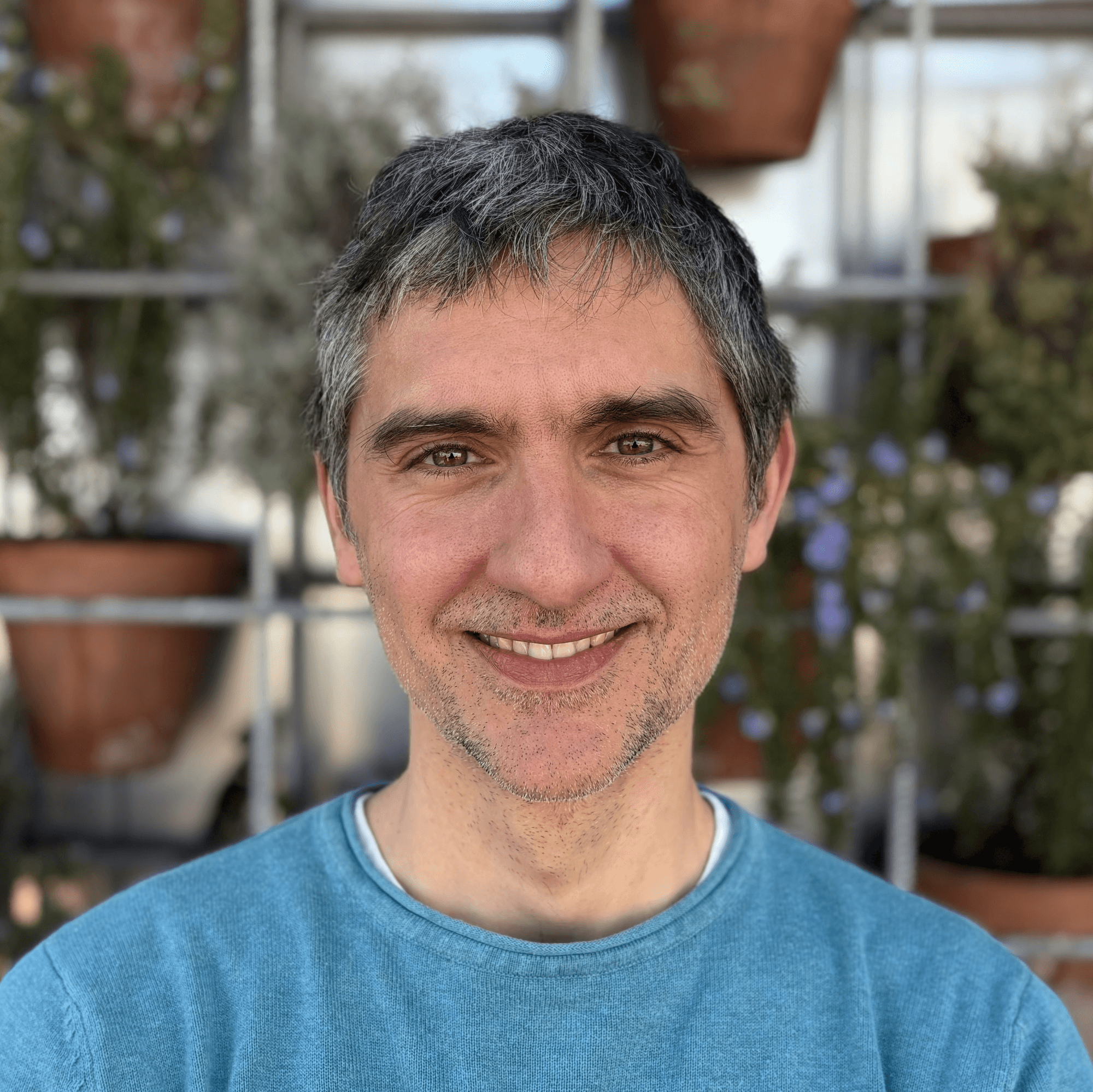
Pau Rue
Founder at Elna

Elna has been selected for the first edition of the BSC AI Factory Acceleration Programme, run by the Barcelona Supercomputing Center. We're one of 15 startups in the cohort, which runs from 22 May to 23 July 2026.
What is the BSC AI Factory Acceleration Programme?
This is the programme's first edition. It was designed to do two things at once: help AI startups validate their business model, and give them the infrastructure to scale the technology behind it. BSC runs it with three partners, NVIDIA, AWS and SeedRocket, and the cohort finishes with a Demo Day on 23 July at the Tech Barcelona Summer Party.
For a company at our stage, the compute mattered more than anything else on the list. Barcelona Supercomputing Center operates MareNostrum 5, one of Europe's most powerful supercomputers, and access to that class of infrastructure is normally out of reach for a pre-seed team.
What do selected startups get?
AI infrastructure access: compute resources from one of Europe's leading supercomputing centers.
Technical mentoring from NVIDIA engineers, through a dedicated Slack channel and Zoom sessions.
A minimum of six hours of 1:1 business mentoring, powered by SeedRocket.
Ten training sessions, 35+ hours in total, covering AI foundations, market positioning, legal basics, fundraising and pitching.
Access to a network of investors, partners and ecosystem players.
BSC values the package at roughly €5,100 of in-kind support per participant, although that figure leaves out the compute, which the programme doesn't put a price on. What made it worth applying for is that none of it costs equity, at a stage when equity is usually the only thing an accelerator will take.
What did Elna do with it?
The technical work is the reason we applied. Using MareNostrum 5 we annotated over 20 million evidence-based medical knowledge sources, structuring and enriching medical literature, guidelines and formulary data at a scale that would have been too expensive on commercial cloud at our stage. That work now underpins Elna Core, the knowledge engine behind every answer Elna gives a clinician. We've written separately about how the annotation pipeline works, and why we ran it on European-sovereign infrastructure, in Building clinical AI on Europe's supercomputing infrastructure.
The business track was useful in a different way. The 1:1 mentoring and the sessions on positioning and fundraising arrived while we were working on our pre-seed narrative, so our framing got tested by people who had no particular reason to agree with us.
The cut-off, and what happens next
On 17 June the cohort reached its cut-off day: a six-minute presentation and four minutes of Q&A, in front of a panel assessing both the technical proposal and the business case. Martina Pagura, our CPTO, and I presented Elna's AI engine and the two workloads we planned to run on MareNostrum 5.
Ten of the fifteen teams went through to the Final Demo Day on 23 July. Elna is one of them.
It's worth being clear about what that means. This was a mid-programme filter rather than a prize, and ten minutes is a narrow window to judge any company through. Several of the teams that didn't go forward are doing serious work. What we took from the day is that the panel spent most of its time on the depth of the AI work and how well it fitted the infrastructure, which is the part we most wanted questioned.
Why this kind of programme matters to us
We build Elna in Barcelona and we intend to prove it out in Europe before anywhere else. Programmes like this are part of why that's a workable plan rather than a constraint. The infrastructure for building a European clinical knowledge base at scale is here, and so is the engineering expertise to use it properly. European hospitals also set a high bar for how clinical AI is governed, and we'd rather build against that bar from the start than retrofit to it later.
Thank you to the Barcelona Supercomputing Center team, and to NVIDIA, AWS and SeedRocket, for putting the programme together and for the access. For a small team, it makes a real difference to what we can build.